
Biochemical weapons
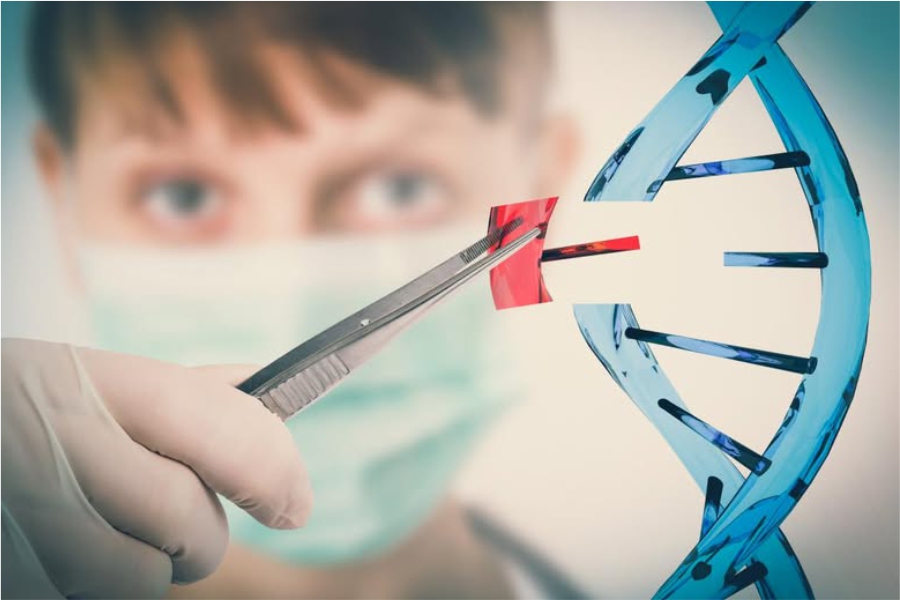
The use of biochemical weapons by Israel over Palestine/Gaza and Russia over Ukraine poses severe risks to human genomes, potentially surpassing the genetic damage caused by the Hiroshima bombing. These weapons can induce genetic mutations, leading to long-term health issues such as cancers, birth defects, and hereditary diseases. The exposure to toxic chemicals and biological agents disrupts DNA, causing mutations that can be passed down through generations, impacting not just the immediate victims but their descendants as well. Unlike the immediate devastation of a nuclear bomb, the insidious nature of biochemical agents means the genetic damage unfolds over time, making it harder to detect and address. The prolonged use in conflict zones exacerbates this impact, creating a public health crisis that extends well beyond the battlefield. This genetic disruption could lead to a generational health crisis, burdening healthcare systems and impairing the affected populations’ quality of life for decades.

You may also like


Artificial Blood – Trail in Japanese Scientist
